
AI

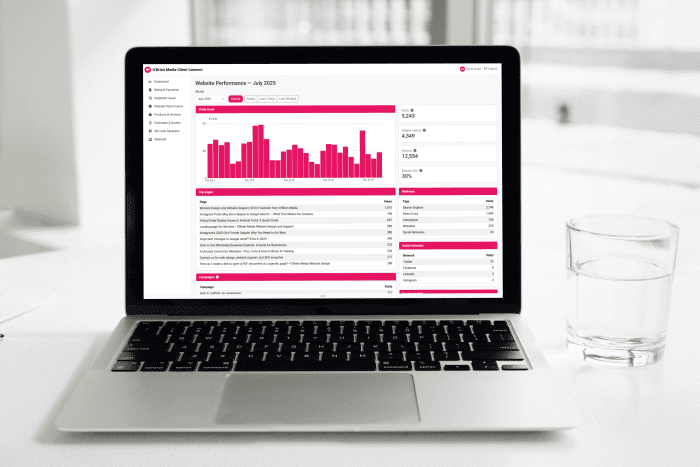
New Feature: AI Assistant Traffic Breakdown Now Included in Website Reports and Client Connect
We’re excited to share a new update to your website performance reports and Client Connect dashboard!
We’re excited to share a new update to your website performance reports and Client Connect dashboard!
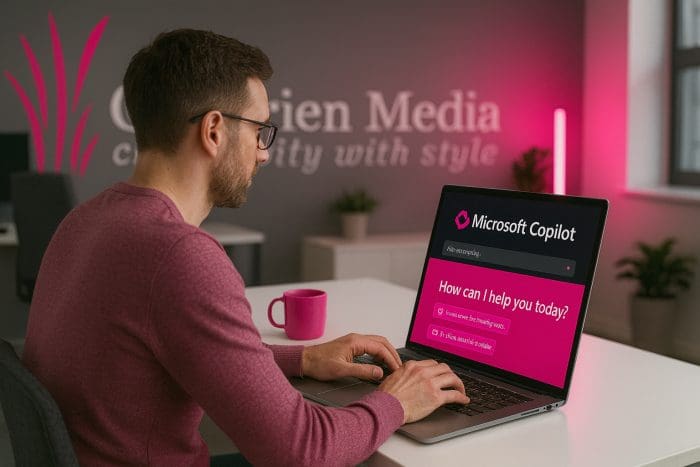
At O’Brien Media, we’re always exploring how search trends impact our clients’ online visibility. In this article, we’ll break down Microsoft’s recent advice on AI-optimised websites and explain what it means for SEO — and how your business can adapt.
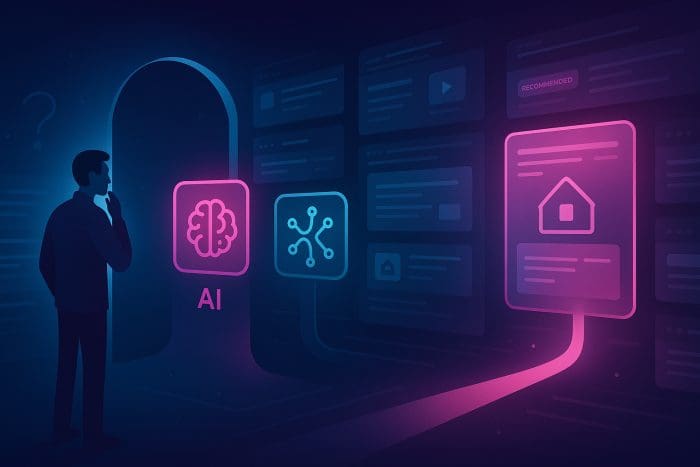
With AI assistants like Microsoft Copilot and ChatGPT now acting as virtual gatekeepers, businesses must optimise their websites so these systems can understand and trust their content. Those who adapt early will secure a prime position in this new era of AI-driven recommendations.


Google’s Gary Illyes addressed a pressing concern among content creators: whether AI-generated images—or content in general—can harm your SEO rankings.