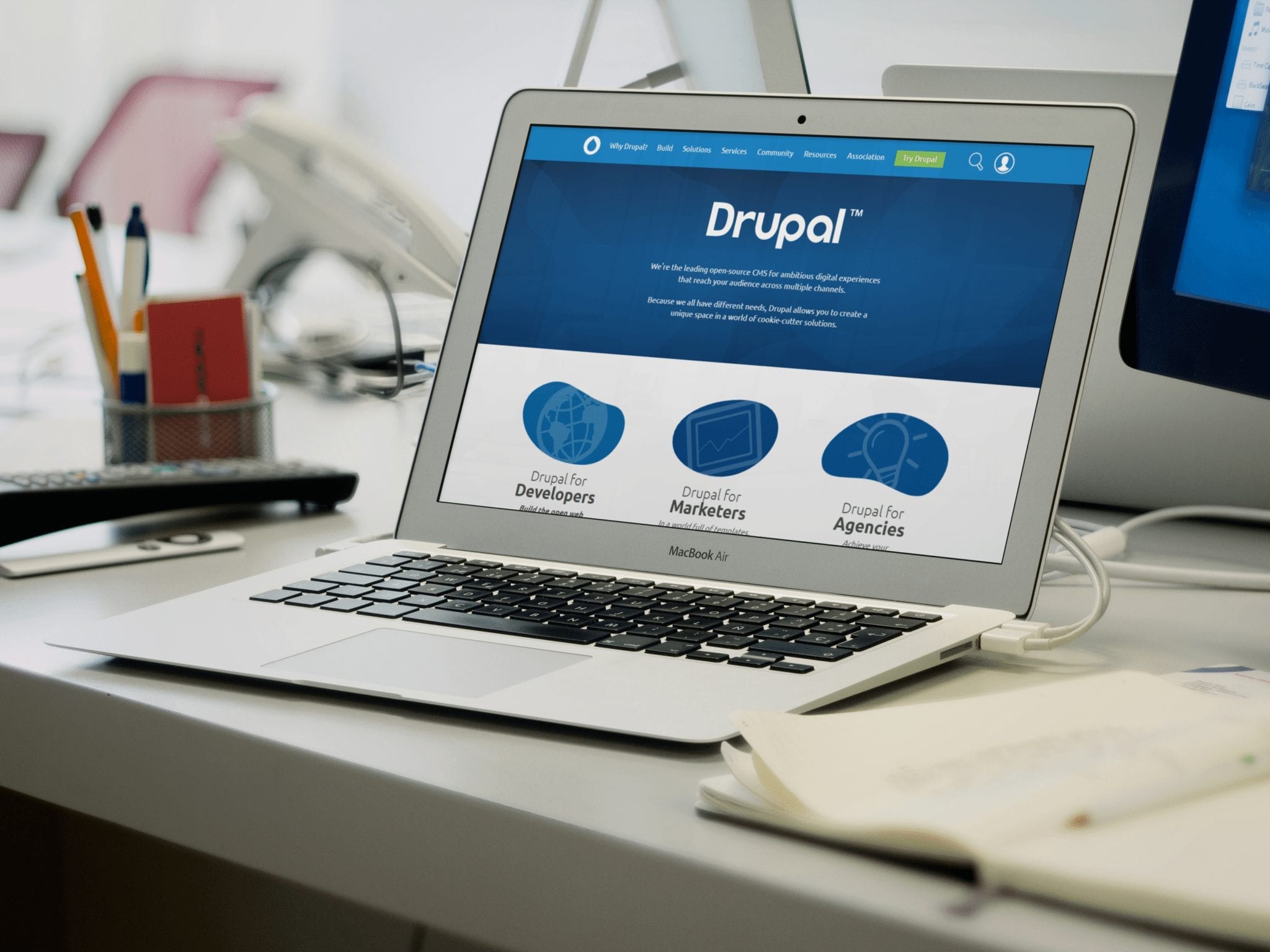

Drupal 7 was first released in January 2011. In November 2021, after over a decade, Drupal 7 will reach end of life (EOL). Official community support for version 7 will end, along with support provided by the Drupal Association on Drupal.org. This means that automated testing services for Drupal 7 will be shut down, and there will be no more updates provided by the Drupal Security Team. When this...
Once again, the developers of Drupal are releasing an emergency patch for a critical vulnerability in the popular CMS. The critical security advisory issued on Monday indicates another patch will be released between 16:00 - 18:00 UTC on April 25th, 2018. Specific details of the vulnerability the patch will correct are unclear, as the developers have not provided any hints of the nature of the...
Following the remote code execution vulnerability discovered in all versions of Drupal released prior to 28th March 2018, and patched in Drupal 7.58 and Drupal 8.5.1, may have been hacked if they have not been updated to Drupal 7.58 (or 8.5.1) by Wednesday, 11th April 2018, may have been hacked after the Drupal security team became aware of automated attacks attempting to compromise Drupal 7...
This post contains important, time sensitive information about the security of your website if you're running Drupal version 7.57 or below or Drupal 8.5 or below. If you're an O'Brien Media client with a Drupal website you'll probably be familiar with the periodic Drupal update emails we send out regarding how important it is to keep up to date with security patches and other updates for your...
Security releases for Drupal (Drupal 8 version 8.3.4 and Drupal 7 version 7.56) which contain fixes for security vulnerabilities are now available and it's advisable that any websites using earlier Drupal versions are upgraded as soon as possible to keep them secure and prevent hacks and unauthorised access, including information disclosure. We can upgrade your Drupal website for you with...
Previously, we've covered why it's essential to keep your WordPress website, plugins and themes up to date and the same rules apply to sites running any content management system (Drupal, Zencart, Joomla!, etc) but what if you don't? What, aside from the security implications, are there for your website? First of all, you're going to have to update your website software at some point, let...
Based in Shoreditch, Tom handles a wide range of WordPress development projects and assists with account management.
We value your privacy
We use cookies to run this site, measure and improve how it works, and, with your permission, support advertising, marketing and embedded content. Essential cookies are always on. First-party statistical analytics are used to improve the website, but you can object at any time. You can accept all, reject non-essential cookies, or choose which categories to allow.
Required for the website to function (e.g. security, load balancing, remembering your cookie choices). These are always active and cannot be switched off.
Enable enhanced functionality and personalisation, such as remembering preferences, live chat and site settings.
First-party analytics set on this website’s own domain to measure and improve the site (e.g. self-hosted Matomo). The data stays with this site and is not shared with a third party.
Analytics provided by a third party, which may share your data with that provider (e.g. Google Analytics).
Used to build a profile of your interests and show you relevant adverts on other sites (e.g. Meta Pixel, Google Ads).
Allow content embedded from third parties such as YouTube, Vimeo and Google Maps. These providers may set their own cookies.
Small tracking pixels used to measure campaign performance and conversions.