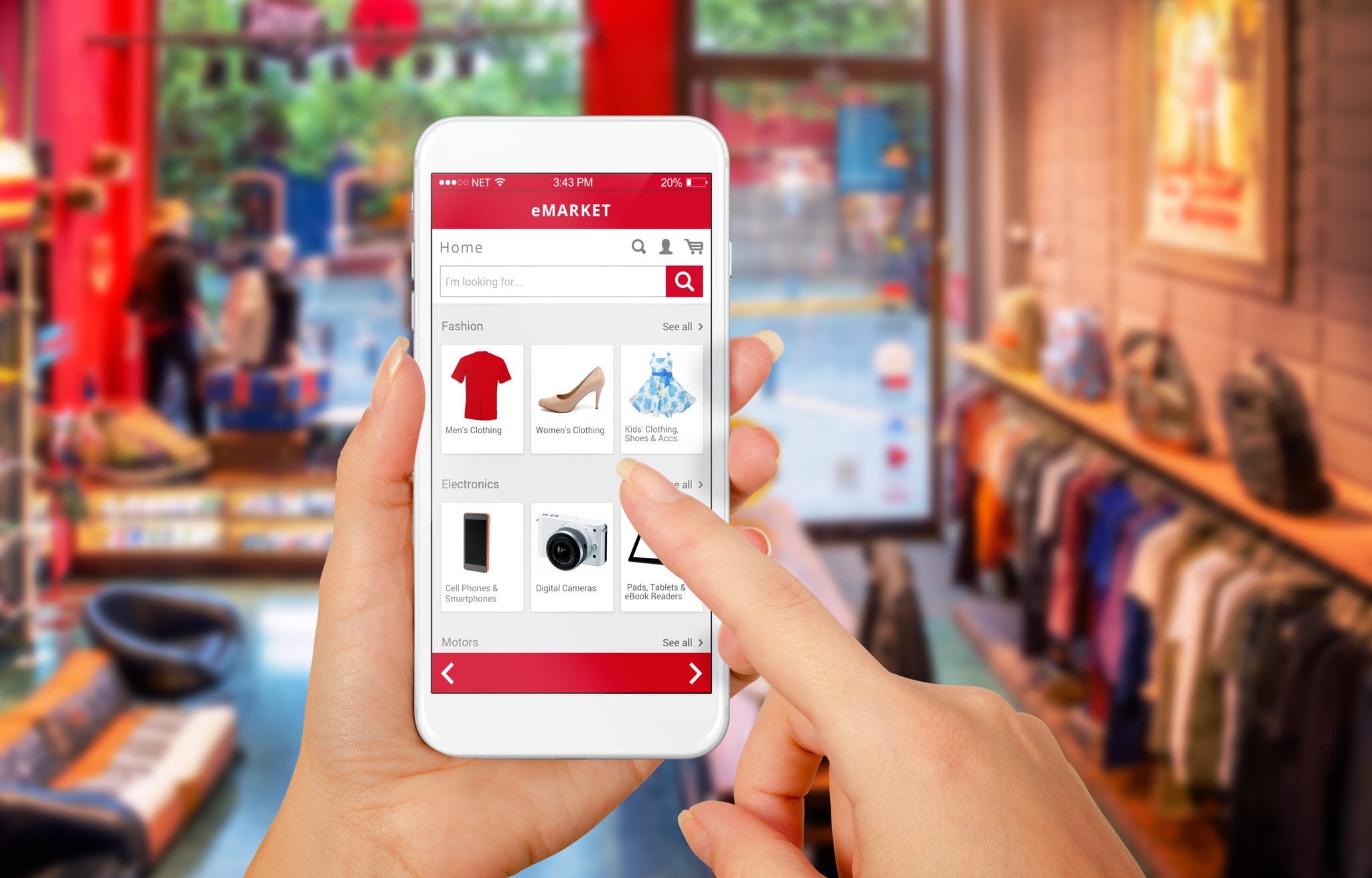
Google have confirmed that from March 2021 they will definitely be using ‘mobile-first indexing’ after pushing forward the deadline from September 2020. This blog post will tell you all the key things you need to know about this change. What is mobile first indexing? This is where Google will predominantly use the mobile version for indexing and ranking of content. This is compared to...
It’s remarkable to see in 2019, but many websites still seem to treat mobile visitors almost as an afterthought. It’s still not uncommon to find a mobile site where items are misaligned, overlapping, formatted strangely or subject to some other oversight from the designer, all of which can signal to a visitor that your company doesn’t take the time to go over little details. It’s worth...
Camilo champions disability and inclusion along with being our Apple specialist providing support to those with Apple devices.
We value your privacy
We use cookies to run this site, measure and improve how it works, and, with your permission, support advertising, marketing and embedded content. Essential cookies are always on. First-party statistical analytics are used to improve the website, but you can object at any time. You can accept all, reject non-essential cookies, or choose which categories to allow.
Required for the website to function (e.g. security, load balancing, remembering your cookie choices). These are always active and cannot be switched off.
Enable enhanced functionality and personalisation, such as remembering preferences, live chat and site settings.
First-party analytics set on this website’s own domain to measure and improve the site (e.g. self-hosted Matomo). The data stays with this site and is not shared with a third party.
Analytics provided by a third party, which may share your data with that provider (e.g. Google Analytics).
Used to build a profile of your interests and show you relevant adverts on other sites (e.g. Meta Pixel, Google Ads).
Allow content embedded from third parties such as YouTube, Vimeo and Google Maps. These providers may set their own cookies.
Small tracking pixels used to measure campaign performance and conversions.